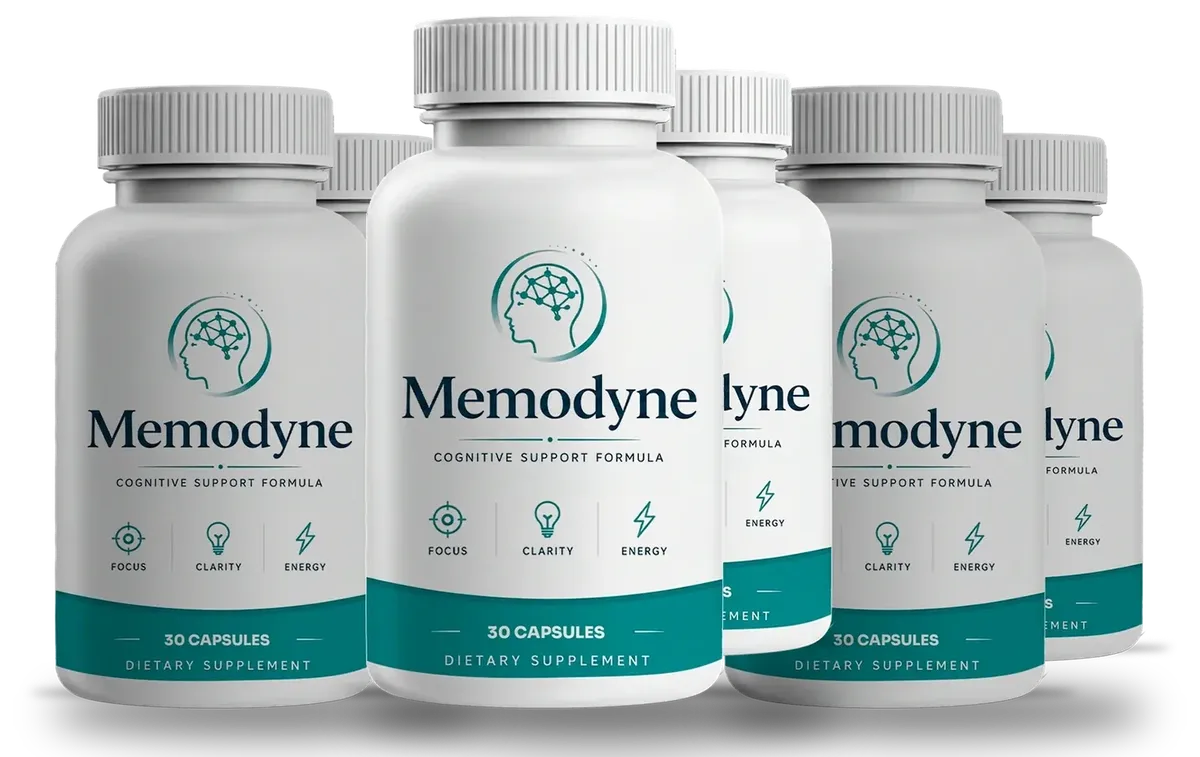
Memodyne Guides: Where to Start Reading About Memory and Supplements
Quick answerThe Memodyne library holds 2 long guides, 4 ingredient pages and 5 articles. Start with brain health basics for the habits and checkups that matter most for memory. Weighing a memory supplement? Use the buyer's checklist. The ingredient pages explain each label line, and the articles cover research, blood pressure pills and look-alike sites.
- 60-day satisfaction window
- Free US shipping on 3 and 6 bottles

What can you read in the Memodyne library?
Two guides, four ingredient pages and five articles, all free.
This hub gathers every long read on the site in one place. Two guides form the core. Four ingredient pages explain the Memodyne label line by line. Five articles go deeper on single questions.
Nothing here asks you to sign up. Each page opens with a short answer, then explains the detail in plain words. Sources are linked in the text so you can read them yourself.
- 2long guides
- 4ingredient pages
- 5articles on the blog
- 0sign-ups needed
The two long guides
Brain health basics
Sleep, activity, blood pressure, hearing, social contact and the checkups that catch treatable causes of forgetfulness.
Read the guideChoosing a memory supplement
A label-reading checklist: printed amounts, blends, doses, drug cautions, refund terms and look-alike sites. Applied to Memodyne, honestly.
Use the checklist
What the two guides cover
The brain health basics guide starts with the habits that research ties to memory. It explains why blood pressure matters to the brain. It also lists the signs that mean a doctor's visit should come before any supplement.
The buyer's checklist works for any memory product on the shelf. It asks six questions of a label and a sales page. Then it runs Memodyne through the same six questions and reports the answers, good and bad.
Illustration: reading in a library.
Which ingredients are on the Memodyne label?
The label lists seven lines. Four of them have their own page with doses, research and cautions.
L-arginine
400 mg in two forms. The building block for nitric oxide, studied for blood pressure at gram doses.
Read the pageL-citrulline
200 mg in two forms. The body turns it into arginine; trials used far larger amounts.
Read the pageBeta-alanine
40 mg. A sports ingredient that the brand's own text leaves off its list.
Read the pageNiacin
7.5 mg NE, about half a day's need for adults, and far below the flushing range.
Read the pageEach ingredient page opens with a fact strip: the amount in a capsule, the doses used in studies, and the share of that dose. Calcium has no page of its own. Its 18 mg is covered in the calcium section of the ingredients page.
Read the ingredient pages with your medicine list next to you. Arginine and citrulline get the most space, because they make up most of each capsule. They are also the two lines that matter most if you take blood pressure pills, nitrates or ED medicine. Beta-alanine and niacin are smaller amounts, and their pages explain why the well-known side effects are unlikely at these doses.
Articles on single questions
The articles each take one question and answer it in depth. All of them sit on the blog, newest first.
Arginine and memory: what the research shows
The one small arginine trial on thinking scores, who was in it, the dose used, and why it does not prove much for healthy adults.
Read the articleNitric oxide supplements and blood pressure pills
Why arginine and citrulline may add to blood pressure drugs, nitrates and ED pills, and what to ask your doctor.
Read the articleWhen forgetfulness needs a doctor
Normal slips versus warning signs, the treatable causes doctors check, and how to prepare for the visit.
Read the articleBeta-alanine tingling, explained
What causes the pins-and-needles feeling in sports formulas, and why 40 mg is far below the range where it shows up.
Read the articleMemodyne look-alike websites
What MalwareTips reported about two domains using the name, and how to check the address before you pay.
Read the articleWhere should you start? Four reading paths
Pick the line that sounds most like you. Each path takes about 15 minutes to read.
You worry about your own memory
Read brain health basics first. If any warning sign fits, book a doctor's visit before you buy anything.
You care for a parent or partner
Read the article on when forgetfulness needs a doctor. Take notes on what you see and bring them to the appointment.
You are thinking about Memodyne
Use the buyer's checklist, then read the side effects page. Show the label to your doctor if you take blood pressure or heart medicine.
You already ordered
Read the how to use page for the daily routine. Keep your order email so you can use the 60-day window if needed.
Words you will meet in the guides
| Term | Plain meaning | Where it shows up for Memodyne |
|---|---|---|
| Nitric oxide | A gas the body makes from arginine that relaxes blood vessels. | The idea behind this formula |
| AKG | Alpha-ketoglutarate, a carrier molecule bonded to arginine. | Part of the 200 mg |
| NE (niacin equivalents) | The unit for niacin from all sources. | 7.5 mg NE on the label |
| ** (no Daily Value) | Marks an ingredient with no set daily target. | Five lines on this label |
| Look-alike site | A website using the product name that is not the brand's own. | Two were flagged by MalwareTips |
| Medical review | A qualified clinician checking pages for accuracy. | Shown at the bottom of each page |
| Dietary supplement | A product taken by mouth to add to the diet. It is not a drug, and the FDA does not approve it before sale. | The front label |
| Cognitive | To do with thinking, memory and attention. | “Cognitive Support Formula*” |
| Daily Value (DV) | A reference amount for one day, used to compare labels. | Niacin 47%, calcium 1.5% |
What the guides will not do
The guides do not diagnose anyone. They cannot tell you whether a memory change is normal for you. Only a doctor who knows your history can do that.
They also do not promise results from any product, Memodyne included. When a study exists, we give its size, its dose and who took part. When no study exists, we say that plainly and move on to what you can do today.
If a page leaves you with a question, write it down and take it to your next checkup. A short list of questions often makes a visit more useful than any amount of reading.
How are the guides written and checked?
How these guides are written
- Every product fact comes from the label image or the sales page, with the date we checked it
- Specific health findings link to a government, medical or peer-reviewed source
- We say when no study exists, instead of filling the gap with guesses
- We name the medicines and conditions that call for a doctor's OK first
- We sell the product, and we say so on every page
Honest note
The guides are written by a site that sells Memodyne. That is why they show the label in full and link every source. No study of Memodyne has been published, and supplements are not proven to prevent dementia (NCCIH, Supplements for cognitive function). Our editorial standards explain how pages are checked.
Memodyne guides FAQ: questions people ask
Which Memodyne guide should I read first?
Start with brain health basics if you want to know what helps memory day to day. Start with the buyer's checklist if you are comparing memory supplements right now.
Are the Memodyne guides free to read?
Yes. Every guide, ingredient page and article is free. None asks for an email address, an account or a sign-up.
Who writes the Memodyne guides?
The Memodyne editorial team at Memodynemind, a U.S. stocking partner for Memodyne. We did not make the capsules, and purchases through our buttons may pay us.
Do memory supplements work, according to the guides?
Direct evidence that supplements prevent dementia is lacking. The guides show what studies tested, at what dose, and where the research stops.
What habits help memory the most?
Good sleep, regular activity, blood pressure control, hearing care and time with other people. The brain health basics guide covers each one.
How do I read a supplement label before buying?
Check that every amount is printed, compare the doses with studies, look for drug cautions and read the refund terms. The buyer's checklist walks through each step.
Is there a guide on when forgetfulness needs a doctor?
Yes. The brain health basics guide and a separate article explain warning signs, treatable causes and how to prepare for the visit.
Are the guides checked by a medical reviewer?
Medical review is shown at the bottom of each page. Its name and date fields stay blank until a qualified clinician reads the finished text.
How often are the guides updated?
A page changes when its sources, the label facts or the buying terms change. Each edit moves the last-updated date forward.
Ready to try Memodyne?
One capsule a day, 30 per bottle, from $49 a bottle on the 6-bottle pack, with a 60-day money-back window shown on the sales page. Take blood pressure or heart medicine? Ask your doctor first.