Who Should Take Memodyne, and Who Should Ask a Doctor?
Quick answerMemodyne is made for adults 18 and over who want a simple once-a-day capsule.
Ask a doctor first if you take blood pressure pills, nitrates or ED pills, have had a heart attack, are pregnant or nursing, or have a known health condition. New or worsening memory problems need a doctor's visit.
- 60-day satisfaction window
- Free US shipping on 3 and 6 bottles

Who is Memodyne made for?
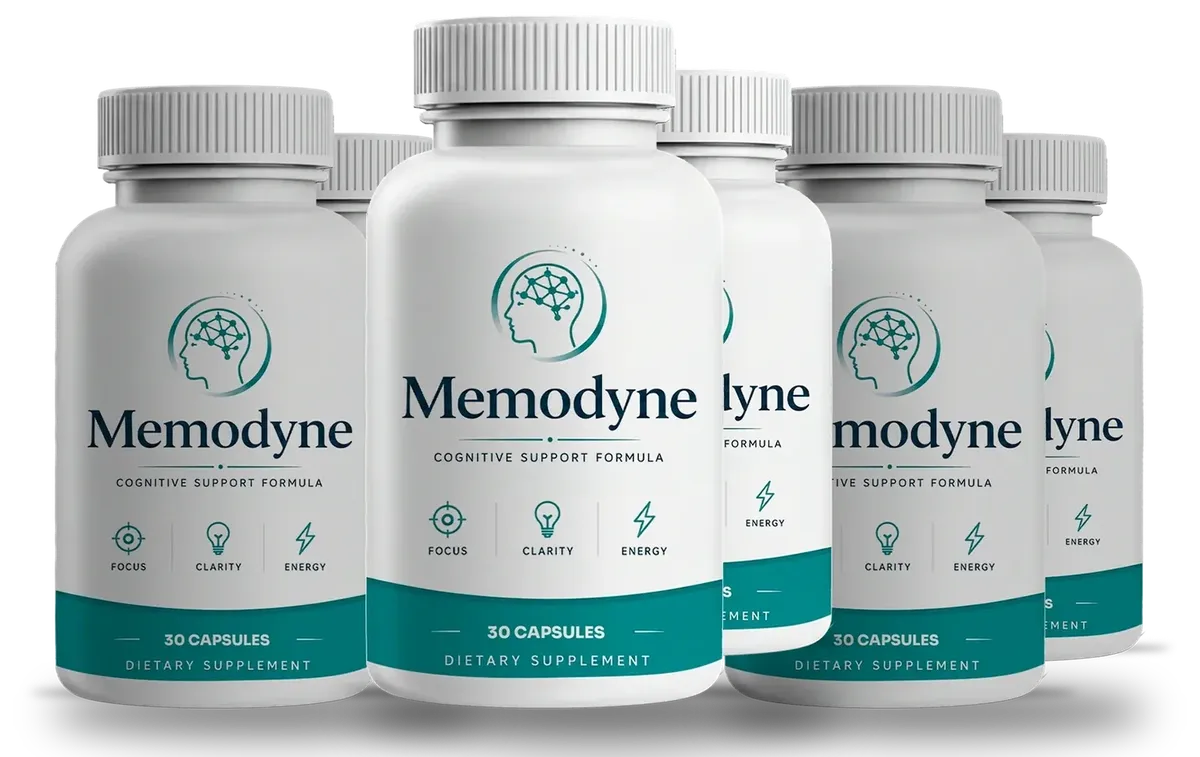
Memodyne is sold to adults who want one plain capsule a day and like to see every amount on the label. It is a dietary supplement, not a medicine. It is not made to treat memory loss, dementia or Alzheimer's.
The people it tends to suit share a few traits. They have checked it against their medicines. They want a simple habit, and they keep their hopes realistic.
Adults 18 and over
The label asks anyone under 18 to see a physician first. This site is written for adults.
People who like a clear label
All seven lines show their own amount. There is no hidden blend to guess about.
Fans of a one-step routine
One capsule with water before a meal. Nothing to mix, measure or count.
Take the two-minute check
Answer five yes-or-no questions. Each answer shows why it matters. This is a checklist to bring to your doctor, not a medical opinion.
Are you 18 or older?
The label says under-18s should ask a physician first.Do you take blood pressure medicine, nitrates (like nitroglycerin) or ED pills?
Arginine and citrulline may lower blood pressure and add to these drugs. Ask your doctor first.Have you had a heart attack?
In a trial after heart attacks, arginine did not help and more deaths occurred in the arginine group. Ask your cardiologist.Are you pregnant or nursing?
The label says to consult a physician first.Is memory loss new, sudden or getting in the way of daily life?
That needs a doctor's visit, not a supplement. Sudden confusion can be a stroke: call 911.
Who should ask a doctor before taking it?
Seven groups should talk with a doctor or pharmacist first. Three come from the label itself. The others come from what is known about arginine and citrulline.
| If this applies to you | Why it matters | Source |
|---|---|---|
| Blood pressure medicine | Arginine and citrulline may lower blood pressure; together the effect may be too strong | (MSKCC, Arginine) (WebMD, L-citrulline) |
| Nitrates, such as nitroglycerin | With L-arginine, blood pressure might drop too low | (Mayo Clinic, L-arginine) |
| ED pills, such as sildenafil | May add to the drop in blood pressure | (Mayo Clinic, L-arginine) |
| A past heart attack | Arginine gave no benefit after heart attacks, and more deaths occurred in the arginine group | (Schulman et al., JAMA 2006) |
| Pregnant or nursing | The label says to consult a physician first | Label caution |
| Under 18 | The label says to consult a physician first | Label caution |
| Any known medical condition | The label says to consult a physician first | Label caution |
Why do blood pressure pills, nitrates and ED pills matter?
The two main ingredients are amino acids the body uses to make nitric oxide. Nitric oxide relaxes blood vessels. That is why arginine and citrulline were studied for blood pressure (Dong et al., 2011) (Khalaf et al., 2019).
Many common drugs also lower blood pressure or relax blood vessels. Nitroglycerin and ED pills such as sildenafil work on the same pathway. Mayo Clinic notes that L-arginine taken with them might drop blood pressure too low (Mayo Clinic, L-arginine).
The amounts in each capsule are small next to the doses in those studies. Small is not the same as zero, though. Your doctor knows your numbers and can tell you if it makes sense. Our L-citrulline page explains how citrulline turns into arginine, and the side effects page lists the signs of low blood pressure to watch for.
Why does a past heart attack matter?
Because one trial raised a real warning. In the VINTAGE MI trial, people took L-arginine for six months after a heart attack. It did not help their hearts or arteries, and more deaths occurred in the arginine group. The trial was stopped early (Schulman et al., JAMA 2006).
That study used far more arginine than one capsule holds. Even so, it is a clear safety signal for this ingredient. If you have had a heart attack, ask your cardiologist before taking any arginine product.
What does the label say about pregnancy, children and health conditions?
The caution panel is direct: “Do not exceed recommended dose. Pregnant or nursing mothers, children under the age of 18 and individuals with a known medical condition should consult a physician before using this or any dietary supplement. Keep out of reach of children. Do not use if safety seal is damaged or missing.”
A “known medical condition” covers a lot. Kidney or liver disease, low blood pressure and diabetes are a few examples. A planned surgery is another good reason for a quick talk with your doctor.

A calm way to ask
Your doctor will not be surprised by the question. Bring the bottle or a photo of the label to your next visit.
Ask two things. Is it safe with my medicines? And is there anything about my health that makes it a poor idea?
A pharmacist can often answer the first question on the spot.
When is a supplement the wrong first step?
When memory changes are new, getting worse or getting in the way of daily life. Some forgetfulness comes with age. Memory loss that disrupts daily life should be checked by a doctor. Some causes, like low vitamin B12 or a medicine side effect, can be treated (NIA, Memory problems and aging).
Getting lost in a familiar place, trouble with words or confusion about time are other signs to see a doctor (Alzheimer's Association, 10 warning signs). A supplement should never delay that visit.
Sudden changes are an emergency
Sudden confusion, trouble speaking, or numbness or weakness on one side of the body can be a stroke. Call 911 right away and note the time the signs started (CDC, Stroke signs).
Buying it for a parent? A caregiver's checklist
Many adult children worry about a parent's memory. That care matters. A few steps make the gift safer and more respectful.
Talk with your parent first. Taking a supplement should be their choice, not a surprise.
Then take the bottle to their doctor or pharmacist, along with their full medicine list. Older adults often take blood pressure or heart medicine, which is exactly the group that needs to ask.
Before your parent's first capsule
- Ask your parent if they want to try it, and respect the answer
- Check the label against every prescription, over-the-counter pill and supplement they take
- Never hide a capsule in food or a drink
- Put it in a weekly pill box so it is clear whether today's capsule was taken; the how to use page has the full routine
- Watch for dizziness or lightheadedness, especially when standing up
- Keep the order email: the 60-day window starts on the purchase date
- If memory changes worry you, book a doctor's visit for your parent too
Honest note: who may be disappointed?
Anyone expecting a memory treatment. No study of Memodyne has been published. The label calls it a “Cognitive Support Formula”, but the asterisk points to the FDA statement: those words were not evaluated by the FDA.
One small trial gave frail older adults with high blood pressure 3.3 g of L-arginine a day for four weeks. Thinking-test scores differed from placebo, but the trial was small and short (Mone et al., 2022). Each Memodyne capsule lists 400 mg of arginine, about 12% of that dose.
Supplements are not proven to prevent dementia (NCCIH, Supplements for cognitive function). The habits with better support are sleep, staying active, keeping blood pressure in range, treating hearing loss and seeing friends. The benefits page and the brain health basics guide cover these in more depth.
Reasons some adults choose it
- Every amount is printed; no proprietary blend
- One capsule a day is easy to keep up
- Vegetable capsule
- A 60-day money-back window on the sales page
Reasons to pause
- No study of the product itself
- Doses are small next to research doses
- May add to blood pressure medicines
- Not a substitute for a doctor's memory check
Who Memodyne is for: questions people ask
Who should not take Memodyne?
Anyone under 18, and anyone pregnant or nursing, unless a physician says otherwise. People on blood pressure drugs, nitrates or ED pills, and anyone who has had a heart attack, should ask a doctor first.
Can seniors take Memodyne?
Many older adults take supplements, and the label sets no upper age limit. Because older adults often take blood pressure or heart medicine, a quick check with the doctor or pharmacist comes first.
Can I take Memodyne if I have high blood pressure?
Ask your doctor first. Arginine and citrulline may lower blood pressure, and the effect can add to blood pressure drugs.
Is Memodyne safe after a heart attack?
Talk with your cardiologist before you take it. In the VINTAGE MI trial, arginine after a heart attack gave no benefit and more deaths occurred in the arginine group.
Is Memodyne OK during pregnancy or breastfeeding?
Not without your physician's approval. The label names pregnant and nursing mothers as people who should consult a physician first.
Is Memodyne a treatment for dementia or Alzheimer's?
No. It is a dietary supplement, not a drug, and it is not proven to treat or prevent dementia, Alzheimer's or memory loss.
Can I buy Memodyne for my mom or dad?
Yes, but bring the bottle to their doctor or pharmacist before they start. Check it against their full medicine list, and make sure they want to take it.
Can teenagers take Memodyne?
The label says children under 18 should consult a physician first. This site is written for adults 18 and over.
Can I take Memodyne with Viagra or Cialis?
Ask your doctor before combining them. Arginine and citrulline may add to the blood pressure effect of ED pills.
Ready to try Memodyne?
One capsule a day, 30 per bottle, from $49 a bottle on the 6-bottle pack, with a 60-day money-back window shown on the sales page. Take blood pressure or heart medicine? Ask your doctor first.