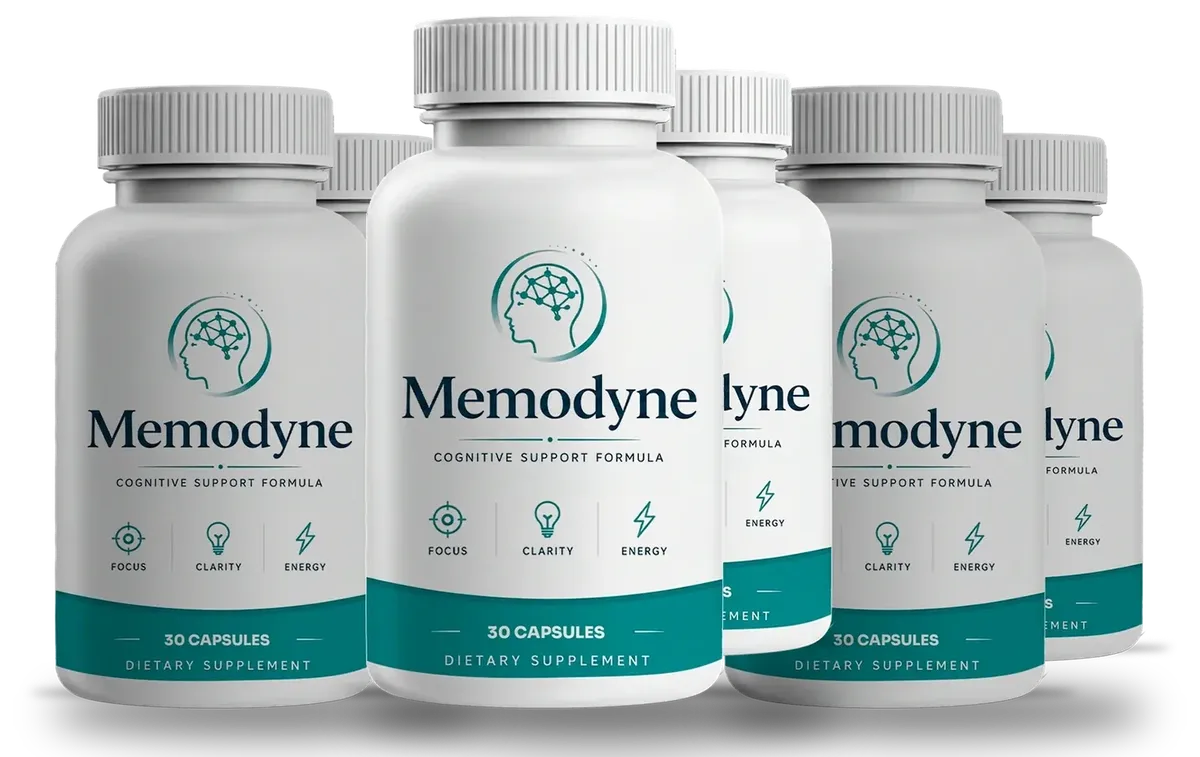
Beta-Alanine Tingling Explained: Why Memodyne's 40 mg Is Unlikely to Cause It
Quick answerBeta-alanine is an amino acid used in sports formulas. At gram doses it often causes tingling skin, called paraesthesia, which is the only side effect reported in sports studies. Those studies used 4 to 6 g a day. Memodyne lists 40 mg, about 1% of 4 g, so tingling is unlikely at this dose, though not impossible.
- 60-day satisfaction window
- Free US shipping on 3 and 6 bottles
What is beta-alanine?
Beta-alanine is an amino acid. The body pairs it with another amino acid, histidine, to make carnosine. Carnosine sits in muscle and helps buffer acid during hard exercise.
That is why beta-alanine shows up in workout powders. The International Society of Sports Nutrition reviewed the research in 2015 (Trexler et al., ISSN 2015). Daily doses of 4 to 6 g for at least 2 weeks raised muscle carnosine.
The Memodyne label lists beta-alanine at 40 mg. Our beta-alanine page covers the ingredient in full.
- 4-6 gbeta-alanine a day in sports studies
- 2 gor less per dose in those studies
- 40 mglisted in one Memodyne capsule
- 1%of a 4 g daily sports dose
Why does beta-alanine make skin tingle?
The tingle has a name: paraesthesia. It feels like pins and needles, a prickle or a mild itch. People often feel it on the face, neck, ears or hands.
Beta-alanine appears to switch on certain nerve endings in the skin. The nerves send a tingle signal even though nothing is wrong. Sports researchers list tingling as the only side effect reported in their studies (Trexler et al., ISSN 2015).
It comes from the dose
The feeling is tied to how much beta-alanine reaches the blood at once. Larger single doses make it more likely. That is why sports studies split the day's amount into doses of 2 g or less.
What it feels like in practice
Gym users often describe a prickle that starts soon after a scoop of powder. It builds, then fades on its own. Some people find it odd but harmless. Others dislike it enough to switch to smaller, split doses.
How much beta-alanine causes tingling?
Tingling belongs to gram-sized doses. The table puts the Memodyne amount next to the doses used in sports studies. The gap is wide.
| Amount | Where it comes from | Share of 4 g a day | Tingling |
|---|---|---|---|
| 40 mg | Memodyne label, 1 capsule | About 1% | Unlikely |
| 2 g | Upper single dose in sports studies | 50% | Often reported |
| 4 g | Low end of daily sports doses | 100% | Often reported when taken at once |
| 6 g | High end of daily sports doses | 150% | Split into smaller doses to limit it |
L-ArginineAbout 12%
Beta AlanineAbout 1%
Memory evidenceNo product study
No study of Memodyne has been published. The one arginine memory trial we found was small, short and used about 8 times more arginine. (Mone et al., 2022)
Why is 40 mg unlikely to tingle?
Forty milligrams is a tiny amount next to sports doses. It is one-fiftieth of a single 2 g dose. It is about 1% of a 4 g day.
So tingling from the Memodyne capsule is unlikely. We say "unlikely" rather than "impossible" for a reason. People differ, and no one has studied this exact product. If you notice a tingle, write down when it happened and what else you took that day.
Check your other products
A sports pre-workout powder may hold several grams of beta-alanine per scoop. If you also take one of those, the powder, not a 40 mg capsule, is the likely source of any tingle.
Where does beta-alanine sit on the Memodyne label?
Beta-alanine is the fifth amino acid line on the label. It is printed with its own amount, like every other line. There is no hidden blend.
One odd detail: the brand pack's own ingredient list names only six items and leaves out beta-alanine. The label lists seven lines. The label is the one to trust. You can read every line on our Supplement Facts page.
- L-Arginine (base) 200 mg
- L-Arginine AKG 2:1 Extract 200 mg
- L-Citrulline HCl 100 mg
- L-Citrulline Malate 100 mg
- Beta Alanine 40 mg
- Niacin 7.5 mg NE
- Calcium 18 mg
Why is a sports ingredient in a cognitive formula?
Honest note
The label does not say why beta-alanine is in a "Cognitive Support Formula". Its studied use is muscle carnosine during exercise, at gram doses. We found no study testing 40 mg of beta-alanine for memory or focus, and no study of Memodyne itself has been published.
That does not make the line harmful. It means the amount is too small to match the research. Our ingredients page explains each line in the same plain way.
What else could cause a tingle?
If you do feel a tingle, beta-alanine is only one possible cause. Several other things can feel similar. The checklist below helps you sort them out before you call your doctor.
Other causes of tingling
- Another product: pre-workout powders often hold grams of beta-alanine, and some energy drinks add niacin
- Niacin flushing: warm, red, itchy skin, but it starts around 30 mg of nicotinic acid (NIH ODS, Niacin), and Memodyne lists 7.5 mg NE
- Cold hands, a tight sleeve or sitting on a leg can cause pins and needles
- Anxiety and fast breathing can cause tingling around the lips and fingers
- Some medicines and low B12 can cause lasting tingling in the hands or feet
When tingling is an emergency
Sudden numbness or weakness on one side of the body, with confusion or trouble speaking, is not a supplement tingle. It can be a stroke. Call 911 and note the time (CDC, Stroke signs).
Is beta-alanine safe?
In sports studies, beta-alanine has a good safety record at the doses used. Tingling was the only side effect the review reported (Trexler et al., ISSN 2015). Most of that research involved healthy, active adults.
The other lines in Memodyne matter more for safety. Arginine and citrulline may lower blood pressure and add to blood pressure drugs, nitrates and ED pills (Mayo Clinic, L-arginine). Our side effects page covers every caution on the label, including pregnancy, nursing and under-18s.
How can you judge any new supplement calmly?
Simple habits make any new supplement easier to judge. These apply to a beta-alanine powder or a once-a-day capsule alike.
- 01
Start one product at a time
Then you know what caused any change you notice.
- 02
Follow the label dose
Do not double up to chase an effect.
- 03
Take it the way the label says
Timing and water are printed for a reason, so follow them.
- 04
Keep a short log
Write down the time, the product and anything you feel.
- 05
Ask your pharmacist
They can check for overlaps between your supplements and medicines.
Beta-alanine tingling FAQ
Why does beta-alanine make you tingle?
It appears to switch on certain nerve endings in the skin. The result is a pins-and-needles feeling, often on the face, neck or hands.
Is beta-alanine tingling dangerous?
It is not known to be harmful. Sports studies list tingling as the only reported side effect, and it fades on its own.
How much beta-alanine causes tingling?
Tingling is linked to gram-sized doses. Sports studies split 4 to 6 g a day into doses of 2 g or less, partly to keep it down.
Will the beta-alanine in Memodyne make me tingle?
It is unlikely. Memodyne lists 40 mg, about 1% of a 4 g daily sports dose and one-fiftieth of a 2 g single dose.
How long does beta-alanine tingling last?
It is short-lived and fades on its own. If a tingle lasts, keeps coming back or affects one side of the body, call a doctor.
How do you stop beta-alanine tingling?
Smaller doses, split through the day, are the usual way. Sports studies kept each dose at 2 g or less for this reason.
What does beta-alanine do?
It helps muscles build up carnosine, which buffers acid during hard exercise. That is why it appears in workout powders.
Is it niacin or beta-alanine causing my flushing?
Probably neither at Memodyne's amounts. Niacin flushing starts around 30 mg of nicotinic acid, and the label lists 7.5 mg NE.
Why is beta-alanine in a cognitive formula?
The label does not say. No study we found tests 40 mg of beta-alanine for memory or focus.
See every line of Memodyne for yourself
Seven label lines, each with its own amount, in one capsule a day. Ask your doctor first if you take blood pressure or heart medicine.