Does Memodyne Work? 6 Evidence Questions Before You Expect Results
Quick answerDoes Memodyne work? Nobody can say yet, because no study of the Memodyne capsule has been published. Its amino acid doses are small next to the doses used in research, and the one arginine memory trial we found was small and short. Before you expect any result, ask six questions about dose, trials, timing and claims.

What are the key facts about Memodyne results?
Key facts
- No clinical trial of Memodyne has been published, so there is no measured result and no measured timeline.
- One capsule lists about 12% of the arginine dose used in the one small memory trial we found.
- Beta-alanine is about 1% of the low end of sports doses. Niacin is about half a day's need. Calcium is under 2%.
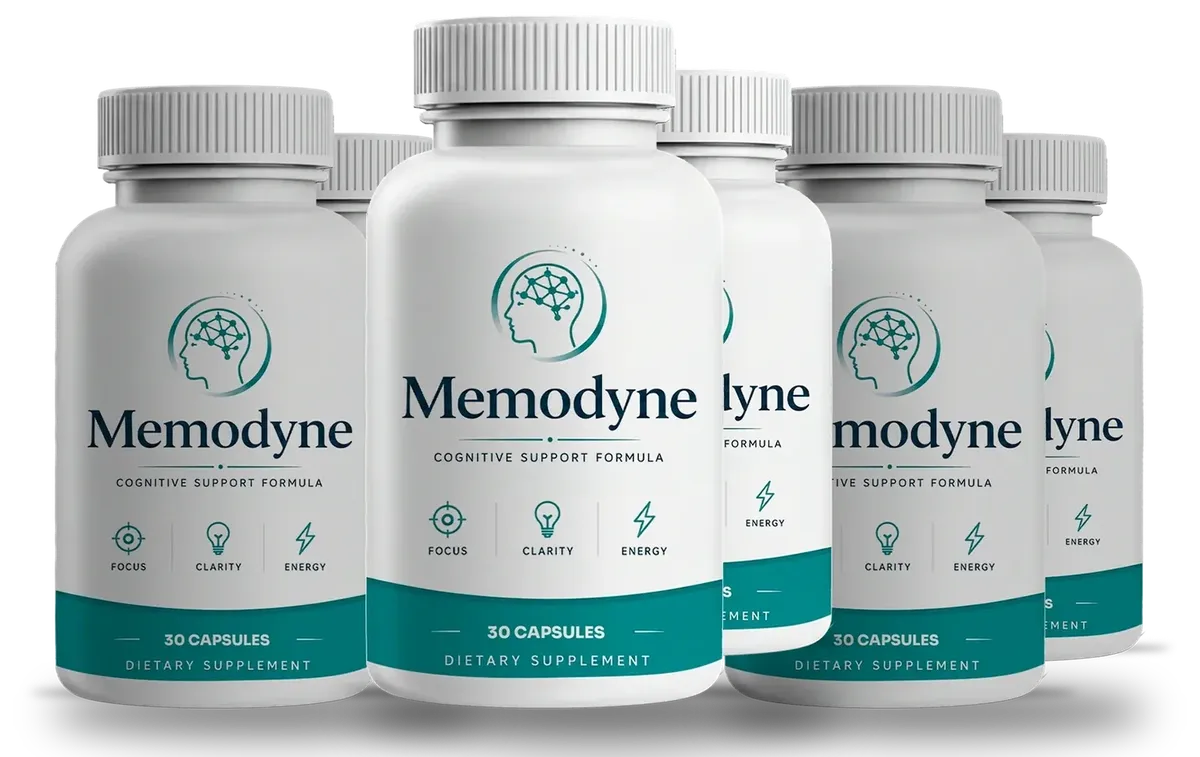
- The front label calls it a "Cognitive Support Formula*". The asterisk points to the FDA statement that these words were not evaluated.
- Health agencies say direct evidence that supplements prevent dementia is lacking.
- We have no before-and-after photos or results to show, and we will not invent any.
So, does Memodyne work?
We cannot say yes, and we cannot say no. We can say what we checked. We searched for a study of Memodyne itself and found none. Without a study, there is no measured result, and anyone who gives you a date or a percentage is guessing.
What we do have is a printed label and research on the separate ingredients. The six questions below use both. They will not give you a verdict. They will show you how much weight each piece of evidence can carry.
What are the 6 questions?
- 01
What was actually tested?
The ingredients in other doses, not this capsule.
- 02
How does one capsule compare with the studies?
Small fractions of the doses used.
- 03
Who took part in the memory trial?
72 frail older adults with high blood pressure.
- 04
What do health agencies say?
Direct evidence for supplements and dementia is lacking.
- 05
What would a fair personal test look like?
Notes at day 30 and a decision by about day 45.
- 06
What about before-and-after claims?
We have none to show.
What was actually tested?
Studies tested single ingredients at gram doses, in other groups of people, for other goals. Blood pressure trials used arginine at 4 to 24 g a day (Dong et al., 2011). Sports studies used beta-alanine at 4 to 6 g a day (Trexler et al., ISSN 2015). None of them tested a capsule like this one.
The formula idea is blood flow. The body uses arginine to make nitric oxide, which relaxes blood vessels, and the brain depends on good blood flow. That is a reasonable idea. It is not a measured result for this product.
How does one capsule compare with the studies?
| Ingredient | One capsule | Research dose | Share |
|---|---|---|---|
| L-Arginine | 400 mg (two forms) | 3.3 g a day in the memory trial | About 12% |
| L-Citrulline | 200 mg (two forms) | Gram doses in blood pressure trials | A small fraction |
| Beta Alanine | 40 mg | 4-6 g a day in sports studies | About 1% of 4 g |
| Niacin | 7.5 mg NE | Adults need 14-16 mg NE a day | About half |
| Calcium | 18 mg | Adults need 1,000-1,200 mg a day | Under 2% |
A small dose is not proof of no effect. It means the studies cannot tell us what this dose does. Part of each salt form's weight is also the carrier, so the pure amino acid is a little less than the printed figure.
Who took part in the one arginine memory trial?
The trial enrolled 72 frail older adults who also had high blood pressure (Mone et al., 2022). They took 1.66 g of arginine twice a day for 4 weeks. Scores on a thinking test differed from placebo. The trial was small, short and single-blind, and we found no second trial that confirmed it.
Results in that group may not carry over to healthy adults. We found no review showing that arginine or citrulline improves memory in healthy people. For a deeper read, see our article on arginine and memory research.
What do health agencies say about supplements and memory?
The National Center for Complementary and Integrative Health says direct evidence that supplements can prevent Alzheimer's disease or other dementia is lacking (NCCIH, Supplements for cognitive function). It also advises talking with a health care provider rather than delaying care.
The FDA does not approve dietary supplements before sale (FDA, Q&A on Dietary Supplements), and the FTC expects health claims to rest on sound evidence (FTC, Health Products Compliance Guidance). That is why the Memodyne front label carries an asterisk and the standard statement beside it.
How long does Memodyne take to work, and how do you test it fairly?
No one knows how long, because no trial exists. What you can do is run a calm test on yourself. Keep other things steady, take one capsule a day as the label says and look back at set points.
| When | What to do |
|---|---|
| Before day 1 | Note your sleep, focus and energy. Show the label to your doctor if you take any medicine. |
| Days 1 to 14 | One capsule a day with 8 oz of water. Note dizziness, headache or stomach upset. |
| Day 30 | Read your notes. Be honest about sleep, stress and other changes. |
| Day 45 | Decide whether to keep going. If not, call the order desk while time remains. |
| Day 60 | The money-back window ends, counted from the purchase date. |
You will not be able to tell for sure whether a change came from the capsule. Focus rises and falls with sleep, stress and the weather. Starting a new routine can also make people feel more alert for a while.
What about "before and after" claims?
We have no before-and-after photos, scores or stories to show. A fair "before and after" needs a measured start, a measured finish and a comparison group. No such test exists for Memodyne, so anything you see online with those words is a story, not a result.
The sales page also uses phrases about memory and brain cells. We checked them against the evidence, and we found no study of the product behind any of them.
Is Memodyne worth it?
That depends on what you expect. If you want a tested memory product, this is not that. If you want a clearly labeled once-a-day capsule, accept the evidence gap and like the 60-day window, you can judge it for yourself. Habits such as sleep, activity, blood pressure control, hearing care and time with friends have stronger support.
When a capsule should not come first
New memory loss that disrupts daily life needs a doctor, because some causes can be treated (NIA, Memory problems and aging). Sudden confusion or trouble speaking can be a stroke: call 911. Ask a doctor before trying Memodyne if you take blood pressure medicine, nitrates or ED pills, or have had a heart attack.
Frequently asked questions
Does Memodyne really work?
No study of Memodyne has been published, so nobody can say how well it works. Reviews and stories describe one person's experience, not proof.
How long does Memodyne take to work?
There is no tested answer. With no trial of the product, there is no measured timeline for any change.
What results can I expect from Memodyne?
We cannot promise any result. The label calls it a cognitive support formula, but the FDA did not evaluate that claim and no product study backs it.
Are there Memodyne before and after results?
We have none to show. A fair before-and-after test needs measured scores and a comparison group, and no such test exists for this product.
Is Memodyne a nootropic?
It is sold as a Cognitive Support Formula, but its amino acids are best known from blood flow and workout products, and no study shows it improves memory.
Is Memodyne worth the money?
It depends on your expectations. It offers a clear label and a 60-day window, but no tested memory benefit, so decide with your doctor.
Our view
Our view is that Memodyne should be judged as what it is: a small-dose amino acid formula with a clear label and an untested claim. We do not say it fails. We say it has not been shown to work, and the doses are far below the ones researchers used.
If you are curious, run the 60-day plan above with an honest log. If nothing changes, or if you feel dizzy or unwell, stop and use the refund window. If memory worries you, start with a doctor's visit rather than a capsule.
Last updated
Want to test it on your own terms?
Memodyne is one capsule a day, and the sales page shows a 60-day guarantee. No study of the product exists. Ask your doctor first if you take blood pressure or heart medicine.
We earn money when you buy through our links. The price you see at checkout is the one that counts.