Memodyne Research: 5 Steps to Read the Studies Behind the Formula
Quick answerNobody has published a trial of Memodyne. The research behind its formula tested single ingredients, mostly at gram doses, in groups such as frail older adults or athletes. Read it in five steps: what was tested, at what dose, in whom, for how long and with what safety signal.

What are the key facts about Memodyne research?
Key facts
- No trial of Memodyne has been published, so no results timeline can be promised.
- One small trial gave 72 frail older adults with high blood pressure 3.3 g of arginine a day for 4 weeks. One capsule lists 400 mg, about 12% of that.
- A review of 11 trials with 387 people used 4 to 24 g of arginine a day for blood pressure.
- Sports studies of beta-alanine used 4 to 6 g a day. One capsule lists 40 mg, about 1% of 4 g.
- After heart attacks, an arginine trial found no benefit and more deaths in the arginine group.
- Memodyne is not FDA approved, and no supplement is. Ask a doctor first if you take blood pressure medicine, nitrates or ED pills.
What do people mean by Memodyne research?
When someone asks for the research behind a supplement, they usually want a study that shows it works. For this capsule, no such study is on file. Nobody has published a trial of the capsule.
What does exist is research on the ingredients, one at a time. Arginine, citrulline and beta-alanine are well known in blood flow and workout work. Reading that research well is a skill, and it does not take a science degree.
Five steps follow. Each one is a question you can put to any study, for this product or any other.
What are the 5 steps to read the studies?
- 01
What was tested?
The capsule, or one ingredient?
- 02
At what dose?
Compare it with the label.
- 03
In whom?
Frail older adults, athletes or healthy people?
- 04
For how long, and how?
Weeks, blinding and a placebo group.
- 05
With what safety signal?
Look for warnings, not only wins.
Was the capsule tested, or only its ingredients?
Only the ingredients. This is the most important point on the page. A finding about 3.3 g of arginine tells you about 3.3 g of arginine. It does not tell you about a capsule that holds 400 mg across two forms, plus other lines.
A health agency, NCCIH, says direct evidence that supplements prevent dementia is lacking (NCCIH, Supplements for cognitive function). That is the right frame for everything below.
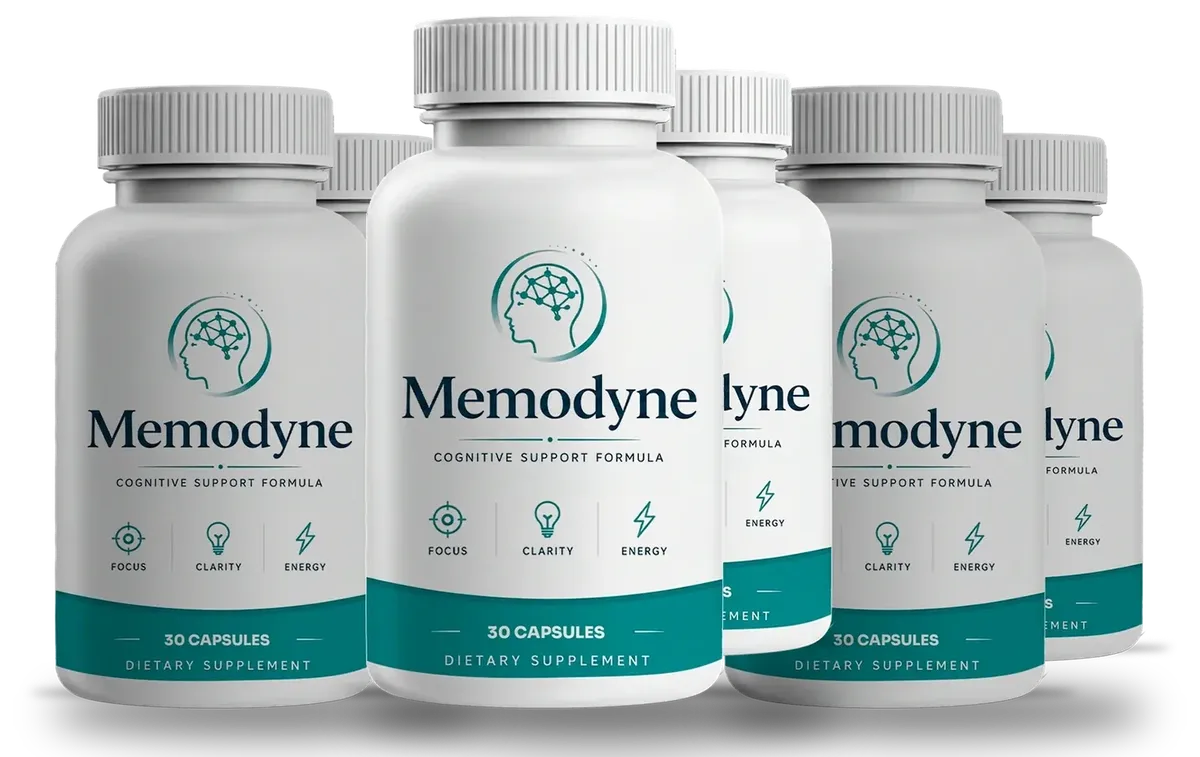
On the front panel, the product wears the name “Cognitive Support Formula*”. The asterisk points to the statement that the words were not evaluated by the FDA. So the claim is the brand’s, and the evidence for it is still open.
How do the study doses compare with one capsule?
Every dose we know of is larger. The table lines them up with the label, one ingredient at a time.
| Ingredient | On the label | Used in research | Source |
|---|---|---|---|
| L-Arginine | 400 mg in two forms | 3.3 g a day in a memory trial; 4 to 24 g a day for blood pressure | (Mone et al., 2022) (Dong et al., 2011) |
| L-Citrulline | 200 mg in two forms | Gram doses, with mixed results | (Khalaf et al., 2019) |
| Beta-alanine | 40 mg | 4 to 6 g a day for at least 2 weeks | (Trexler et al., ISSN 2015) |
| Niacin | 7.5 mg NE | Adults need 14 to 16 mg NE a day | (NIH ODS, Niacin) |
| Calcium | 18 mg | Adults need 1,000 to 1,200 mg a day | (NIH ODS, Calcium) |
A smaller dose does not prove that nothing happens. It also means the studies cannot say what this dose does.
Who took part in the studies?
The groups matter as much as the doses. The memory trial enrolled 72 frail older adults who had high blood pressure and thinking problems (Mone et al., 2022). Most buyers are not in that group.
The blood pressure review pooled 11 trials with 387 people. It found systolic pressure about 5 mmHg lower, and diastolic about 3 mmHg lower, than placebo at 4 to 24 g a day (Dong et al., 2011).
An arginine AKG study gave trained men 12 g a day for 8 weeks, and some strength and power measures improved (Campbell et al., 2006). The beta-alanine position stand looked at athletes doing hard efforts (Trexler et al., ISSN 2015).
None of these groups is a healthy adult who wants sharper memory. That is the gap to keep in view.
How long did the studies run, and how were they built?
The memory trial lasted 4 weeks, used a placebo group and was single-blind. The people running the test knew who took what. That design can tilt results, which is why such a trial is a signal and not strong proof.
Questions to ask of any trial
- Was there a placebo group?
- Was it double-blind, so neither side knew who got what?
- How many people took part?
- How long did it last?
- Did it test the product you plan to buy?
Citrulline has one clean finding of a different sort. In healthy volunteers, oral citrulline raised blood arginine more efficiently than the same amount of oral arginine (Schwedhelm et al., 2008). That explains the pairing in many formulas. It is a finding about blood levels, not about memory.
What safety signal did the research raise?
Look for warnings as hard as you look for wins. In the VINTAGE MI trial, people took L-arginine for six months after a heart attack. It did not improve their hearts or arteries, more deaths occurred in the arginine group and the trial was stopped early (Schulman et al., JAMA 2006).
That trial used far more arginine than one capsule holds, and it does not prove arginine caused the deaths. But it is the main reason people with heart disease should ask their cardiologist first.
Blood pressure is the other signal. Arginine and citrulline may lower it, and Mayo Clinic warns that arginine with nitroglycerin, sildenafil or blood pressure drugs might make it fall too low (Mayo Clinic, L-arginine).
What can an honest reader take from the research?
Three things. The ingredients are real and well studied for other jobs. The doses in a capsule are small next to the study doses. And no one has tested the capsule for memory.
The habits with better support are plain: sleep, activity, blood pressure control, hearing care and time with friends. A doctor can check vitamin B12 and your medicines, and some causes of forgetfulness can be treated (NIA, Memory problems and aging).
Label caution
Pregnant or nursing mothers, anyone under 18 and anyone with a known medical condition should consult a physician before using this or any dietary supplement. Memodyne is not FDA approved, and the FDA approves no supplement.
Frequently asked questions
Is there research on Memodyne?
No trial of the capsule has been published. The research that exists tested single ingredients at larger doses.
What did the arginine memory study find?
In 72 frail older adults with high blood pressure, 3.3 g a day for 4 weeks led to thinking-test scores that differed from placebo. It was small and single-blind.
Do the blood pressure studies apply to Memodyne?
Not directly. They used 4 to 24 g of arginine a day, many times more than one capsule holds.
Is beta-alanine research about memory?
No. It is sports research at 4 to 6 g a day. We found no study of beta-alanine for memory.
What does the Memodyne formula research not show?
It does not show that 400 mg of arginine, 200 mg of citrulline and 40 mg of beta-alanine help memory in healthy people.
Should I wait for research before I try Memodyne?
That is your call. If you try it, talk to your doctor first, keep a simple log and use the 60-day window to decide.
Our view
Our view: reading the research makes the picture clearer, not rosier. The ingredients have real science behind other uses, the capsule holds small amounts of them and nobody has tested the product for memory.
If you take part in that experiment yourself, do it with open eyes. Show the label to your doctor, keep notes, and treat the money-back window as your way out.
Last updated
Read the research? Now judge the label for yourself
The brand sales page shows a 60-day money-back window from the date of purchase. Ask the order desk which refund rule applies, and ask your doctor first if you take heart or blood pressure medicine.
We earn money when you buy through our links. The price you see at checkout is the one that counts.